


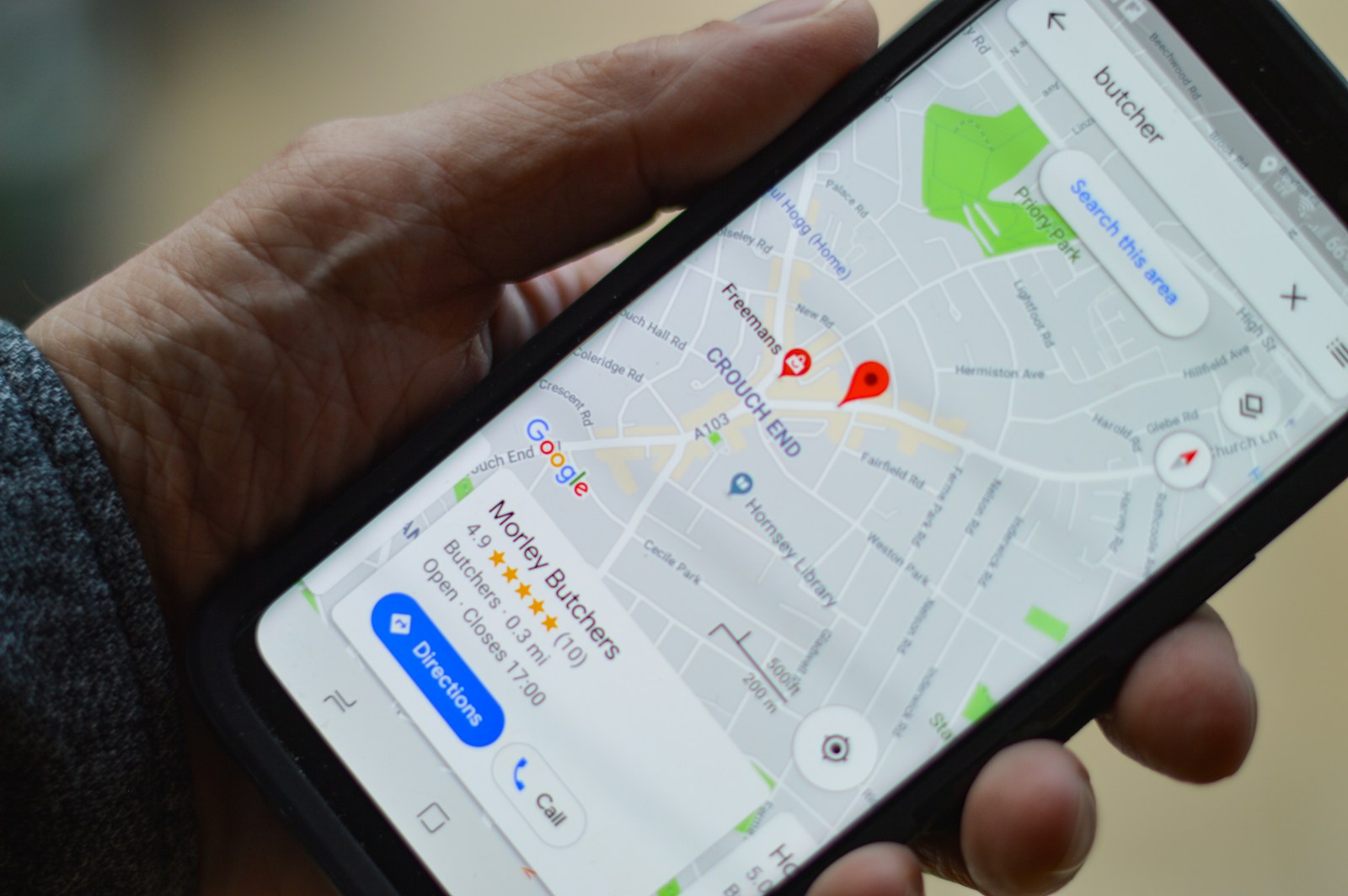
Local SEO helps your business appear when nearby customers search for your services on Google. Whether you run a dental clinic, restaurant, plumber business, local shop, legal firm, cleaning company, garage, or service business, local search visibility can directly affect calls, enquiries, bookings, and visits.
A strong local SEO checklist helps you understand what needs to be fixed first. It covers your Google Business Profile, website pages, local keywords, reviews, citations, internal links, location signals, and tracking.
Many businesses think local SEO is only about adding a business to Google Maps. That is only one part of it. To compete properly, your website and Google Business Profile need to work together.
This guide gives you a practical local SEO checklist for UK businesses that want better visibility in local search results.
What Is Local SEO?
Local SEO is the process of improving your online presence so your business appears when people search for services in a specific area.
Examples include:
- plumber near me
- dentist in Bristol
- restaurant in Birmingham
- SEO agency Northampton
- accountant in Manchester
- cleaning company in London
- garage near me
Local SEO focuses on Google Maps, Google Business Profile, location pages, local keywords, reviews, citations, and website relevance.
For businesses that depend on local customers, investing in local SEO services for UK businesses can help improve visibility where buying intent is strongest.
1. Set Up and Optimise Your Google Business Profile
Your Google Business Profile is one of the most important parts of local SEO.
It helps your business appear in Google Maps, local pack results, and branded searches. If your profile is incomplete or poorly optimised, you may lose visibility to competitors.
Check these items:
- Correct business name
- Accurate address
- Correct phone number
- Website link
- Opening hours
- Primary business category
- Secondary categories
- Business description
- Services added
- Products added if relevant
- Photos uploaded
- Appointment or booking link
- Messaging settings
- Review responses
Your primary category matters a lot. A restaurant, plumber, dentist, SEO agency, solicitor, or cleaning company should choose the most accurate category, not a random broad one.
2. Keep Your Name, Address and Phone Number Consistent
Your business name, address, and phone number should be consistent across your website, Google Business Profile, directories, social profiles, and citation websites.
This is often called NAP consistency.
Check:
- Website footer
- Contact page
- Google Business Profile
- Facebook page
- LinkedIn page
- Bing Places
- Apple Business Connect
- Yell
- FreeIndex
- Cylex
- Local directories
If your phone number, address, or business name appears differently across the web, it can reduce trust and confuse search engines.
3. Use the Right Local Keywords
Local SEO needs keyword research.
You need to understand how customers search for your services in your area.
Examples:
- local SEO agency
- SEO company in Bristol
- plumber in Leeds
- emergency plumber Manchester
- dental clinic Birmingham
- restaurant near me
- accountant in London
- cleaning company Glasgow
Good local keyword targeting includes:
- Service + city
- Service + town
- Service + near me
- Service + county
- Emergency service + city
- Best service + city
- Local service + business type
Do not target one keyword everywhere. Each page should have one clear primary keyword.
4. Create Strong Local Service Pages
If your business serves a specific area, your website needs local relevance.
A single homepage is often not enough.
For example, a plumber may need pages for:
- plumbing services in Manchester
- emergency plumber in Manchester
- boiler repair in Manchester
- drain cleaning in Manchester
A strong local service page should include:
- Clear H1
- Local keyword in title
- Local keyword in intro
- Service details
- Area relevance
- Trust signals
- FAQs
- Internal links
- Clear call to action
- Contact details
Thin local pages do not work well. Avoid creating dozens of weak pages with copied text and only the city name changed.
5. Optimise Your Homepage for Local Trust
Your homepage should clearly explain who you help, what you do, and where you operate.
Check whether your homepage includes:
- Main service
- Main location or service area
- Clear contact button
- Phone number
- Trust signals
- Internal links to services
- Internal links to location pages
- Reviews or proof
- Short explanation of your process
If your business serves one location, the homepage can target the main local keyword.
If your business serves multiple areas, the homepage should support the brand and link to important location pages.
6. Improve Your Contact Page
Your contact page should support local SEO and conversions.
It should include:
- Business name
- Address if applicable
- Phone number
- Email address
- Contact form
- Google Map embed if relevant
- Opening hours
- Service areas
- Clear CTA
- Directions if customers visit your location
Your contact page should be simple and trustworthy. Do not hide important contact details.
For service businesses, phone number visibility is especially important on mobile.
7. Add LocalBusiness Schema
Schema markup helps search engines understand your business information.
For local businesses, LocalBusiness schema can support clarity around:
- Business name
- Address
- Phone number
- Website
- Opening hours
- Service area
- Business type
- Social profiles
- Logo
Schema does not guarantee rankings, but it helps search engines understand your business more clearly.
If your site has technical issues, start with SEO audit services for UK businesses before adding more advanced schema changes.
8. Build Local Citations
Local citations are mentions of your business on trusted directories and platforms.
Useful UK citation sites can include:
- Yell
- FreeIndex
- Cylex UK
- Thomson Local
- Scoot
- Hotfrog UK
- UK Small Business Directory
- Brownbook
- Bing Places
- Apple Business Connect
Citations help confirm your business details and strengthen local trust.
Do not spam hundreds of low-quality directories. Focus on clean, relevant, and trusted listings.
9. Get More Reviews
Reviews are important for local SEO and conversions.
Potential customers often compare businesses based on reviews before calling or visiting.
Focus on:
- Getting genuine reviews
- Responding to reviews
- Using natural customer language
- Encouraging service-specific feedback
- Avoiding fake reviews
- Replying professionally to negative reviews
Review quality matters more than just volume. A business with helpful, detailed reviews can often build stronger trust than a competitor with short generic reviews.
10. Optimise for Google Maps SEO
Google Maps SEO is about improving your visibility in local map results.
Important factors include:
- Google Business Profile category
- Location relevance
- Distance from searcher
- Reviews
- Service information
- Website relevance
- Local citations
- Profile activity
- Local content
- Business prominence
If your business is not showing in maps, you may need better category selection, stronger local pages, more reviews, better citations, or more local relevance on your website.
For businesses that rely on calls and nearby customers, Google Maps SEO support can be one of the most valuable parts of local SEO.
11. Add Local Internal Links
Internal links help Google understand your most important pages.
For local SEO, your website should link between:
- Homepage
- Local SEO page
- Main service pages
- Location pages
- Contact page
- Pricing page
- Relevant blog posts
Example internal links:
- Blog about local SEO checklist → local SEO service page
- Service page → relevant location page
- Location page → contact page
- Homepage → key service pages
- Blog about Google Maps → local SEO page
Do not only link from blogs to blogs. Your supporting content should help strengthen your money pages.
12. Use Location-Specific Content Carefully
Location content can help, but it must be useful.
Bad local SEO content looks like this:
“We provide SEO services in London. We provide SEO services in Manchester. We provide SEO services in Birmingham.”
Good local content explains:
- The local market
- Service demand
- Customer intent
- Local competition
- Service-specific problems
- Why local visibility matters
- What the business does in that area
Avoid creating many duplicate city pages with the same copy.
13. Check Mobile Experience
Local searches often happen on mobile.
A customer may search while walking, driving, comparing options, or needing urgent help.
Check:
- Phone number is clickable
- Buttons are easy to tap
- Contact form is simple
- Menu works properly
- Pages load quickly
- Text is readable
- Map works correctly
- CTAs are visible
If your mobile experience is weak, local visitors may choose a competitor.
14. Improve Page Speed
Speed affects user experience and can affect conversion.
Local users often want quick answers.
Check:
- Homepage speed
- Service page speed
- Location page speed
- Mobile speed
- Image size
- Cache setup
- Hosting quality
- Plugin bloat
- Core Web Vitals
A slow local business website can lose enquiries even if it ranks.
15. Track Local SEO Performance
You need to measure what is working.
Track:
- Google Business Profile calls
- Website clicks from GBP
- Direction requests
- Organic clicks
- Impressions
- Local keyword rankings
- Form enquiries
- Phone calls
- Top landing pages
- Pages gaining impressions
- Review growth
Google Search Console and Google Business Profile performance data can show where you are improving and where you need more work.
16. Avoid Common Local SEO Mistakes
Common local SEO mistakes include:
- Wrong Google Business Profile category
- Inconsistent phone number
- Weak service pages
- No location relevance
- No reviews
- Duplicate location pages
- Thin content
- No internal links
- Poor mobile layout
- Ignoring Google Maps
- Not tracking calls and forms
- Using fake reviews
- Keyword stuffing city names
Local SEO works best when the website, business profile, reviews, and citations all support the same message.
17. Know When to Get Local SEO Help
You may need local SEO help if:
- Your business is not showing on Google Maps
- Competitors rank above you locally
- Your Google Business Profile gets few calls
- Your website has no local enquiries
- You do not know which keywords to target
- Your service pages are weak
- Your reviews are low
- Your location pages are not ranking
- You are unsure what to fix first
Professional local SEO should not just mean adding keywords. It should improve your full local search presence.
If you are comparing costs, review an SEO pricing breakdown so you understand what proper local SEO support usually includes.
Final Thoughts
A local SEO checklist helps UK businesses improve visibility where customers are actively searching.
The most important areas are Google Business Profile optimisation, local keywords, service pages, reviews, citations, internal links, LocalBusiness schema, mobile usability, speed, and tracking.
Local SEO is not one single task. It is a system that helps Google and customers understand who you are, what you offer, where you operate, and why they should choose you.
If your business depends on local customers, improving your local SEO can help generate more calls, enquiries, bookings, and visits over time.
FAQs
What is a local SEO checklist?
A local SEO checklist is a list of tasks used to improve a business’s visibility in local Google search results, Google Maps, and nearby customer searches.
Why is local SEO important for UK businesses?
Local SEO helps UK businesses appear when nearby customers search for services. It can improve calls, enquiries, bookings, visits, and local visibility.
What is the most important part of local SEO?
Google Business Profile optimisation, local service pages, reviews, citations, and website relevance are all important. The strongest results usually come from improving all of them together.
How long does local SEO take?
Local SEO can take a few weeks to several months depending on competition, website quality, review strength, Google Business Profile setup, and local authority.
Do I need location pages for local SEO?
If your business serves multiple towns, cities, or regions, location pages can help. They should be useful and unique, not copied pages with only the location changed.
How do reviews affect local SEO?
Reviews help build trust and can support local visibility. Genuine, detailed reviews can improve conversion and help customers choose your business over competitors.
Can local SEO help service businesses?
Yes. Local SEO is especially useful for service businesses such as plumbers, dentists, restaurants, cleaners, accountants, solicitors, garages, and agencies that rely on nearby customers.